
Pediatric Eye Specialist
Eye Care in Nanded for Your Child’s Vision Needs
Every child’s vision matters. Shri Ganesh Netralaya provides paediatric eye assessments and treatment options based on each child’s individual needs.
- Paediatric Eye Care from Infancy Through Childhood
- Squint, Amblyopia and Childhood Eye Conditions
- Eye Examinations and Diagnostic Assessment
- Eye Care for Children and Their Families

Understanding Cataract
Little Eyes Need Special Care
Children may not always recognise or communicate vision difficulties. Eye examinations can help identify problems that may affect their visual development and learning. At Shri Ganesh Netralaya, paediatric eye assessments help identify concerns and guide treatment according to each child’s needs.
Signs & Symptoms of Possible Vision Problems in Children
Parents can watch for the following signs, which may warrant an eye examination:
Signs Parents Should Watch For:
Frequent eye rubbing
One eye turning inward or outward
Sitting close to the television
Holding books very close to the face
Squinting when looking at distant objects
Frequent headaches
Difficulty maintaining eye contact
A white reflection in the pupil in photographs
Excessive watering of the eyes
Difficulty with visually demanding school tasks
Tilting the head while looking at objects or reading
Blurred or double vision
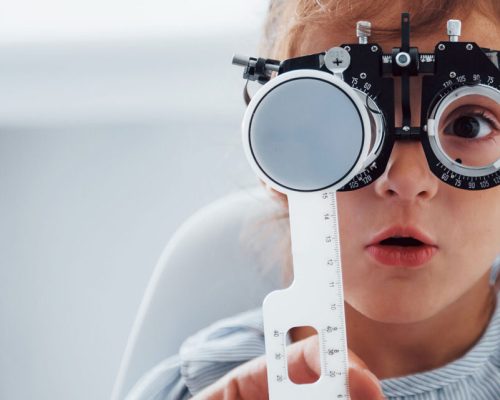
Why Do Children Develop Eye Problems?
A child’s eyes and visual system continue to develop throughout childhood. Some eye conditions are present at birth, while others develop as children grow. Early assessment can help identify conditions that may affect vision and visual development. Treatment depends on the type of condition and the child’s individual needs.
Common Causes |
- Congenital Eye Conditions: Some babies are born with conditions such as congenital cataracts, congenital glaucoma or blocked tear ducts.
- Refractive Errors: Myopia (short-sightedness), hyperopia (long-sightedness) and astigmatism can affect how clearly children see objects near or far.
- Eye Muscle Imbalance: Misalignment of the eyes, known as squint or strabismus, may interfere with the development of binocular vision and can contribute to amblyopia (lazy eye).
- Amblyopia (Lazy Eye): Amblyopia occurs when vision does not develop normally in one or both eyes. It may be associated with squint, unequal refractive errors or other conditions. Early diagnosis and treatment are important. Treatment can benefit many children, and some older children and adults may also benefit, depending on their individual circumstances.
- Eye Allergies: Vernal keratoconjunctivitis is an allergic eye condition that can cause itching, redness and frequent eye rubbing. Severe cases may affect the cornea and require specialist care.
- Genetic Factors: Some childhood eye conditions run in families. A family history may increase a child’s risk of certain eye problems.
- Infections and Injuries: Eye infections and injuries can affect eye health and, in some cases, visual development. Prompt assessment may be needed.
- Drooping Eyelid (Ptosis): A drooping eyelid may interfere with vision if it covers the pupil or causes unequal visual input. Early assessment is important, particularly in young children.
- Retinopathy of Prematurity (ROP): Babies born prematurely may be at risk of ROP and may require screening and timely follow-up or treatment to reduce the risk of serious vision loss.
- Chalazion and Stye: These eyelid lumps have different causes and may require assessment if persistent, recurrent or associated with significant symptoms. Avoid rubbing or squeezing the affected area.
- Digital Device Use and Eye Health: Prolonged screen use may contribute to eye strain, dryness and discomfort. Increased time spent on near activities and reduced outdoor time are also associated with myopia risk in children. Regular breaks, outdoor activity and appropriate eye examinations can help support eye health.
Every Child Has Different Visual Needs .
At Shri Ganesh Netralaya, treatment recommendations are based on each child’s age, diagnosis and stage of visual development.
Childhood Eye Condition | Recommended Treatment |
Refractive Errors | Age-appropriate vision assessment and corrective glasses or contact lenses, when indicated |
Myopia | Myopia management and measures to help slow progression |
Squint | Glasses, other suitable treatments or squint surgery, depending on the diagnosis |
Lazy Eye (Amblyopia) | Amblyopia (lazy eye) treatment, including patching when recommended |
Pediatric Cataract | Cataract surgery when clinically indicated |
Congenital Glaucoma | Glaucoma treatment, including surgery when required |
Blocked Tear Duct | Medical or surgical management, depending on the condition |
Eye Allergies | Medication and lifestyle guidance, when appropriate |
Ptosis | Observation, follow-up or surgery, depending on clinical assessment |
Why choose us?
Paediatric Eye Care at Shri Ganesh Netralaya
Every child has different visual needs. Shri Ganesh Netralaya provides paediatric eye assessments and treatment options based on each child's condition, with information and guidance for parents throughout the process.
Paediatric Eye Assessmen
Eye Screening for Infants and Children
Child-Friendly Eye Examinations
Squint and Amblyopia (Lazy Eye) Care
Assessment of Childhood Cataracts and Congenital Glaucoma
Treatment Planning Based on Individual Needs
Paediatric Eye Care for Infants and Children Some childhood eye conditions need timely assessment.
Shri Ganesh Netralaya provides assessment and treatment for childhood eye conditions, including paediatric cataracts and congenital glaucoma. When surgery is indicated, the timing of treatment depends on the child's diagnosis and clinical needs. Early assessment helps guide appropriate care during visual development.
Four Steps in Your Child’s Eye Care Journey
1. Child Friendly Consultation
An initial consultation to understand your concerns and assess your child's eye health.
2.Comprehensive Eye Assessment
Eye examinations and appropriate tests help assess your child's vision, eye alignment, focusing ability and overall eye health.
3.Treatment Based on Individual Needs
Treatment recommendations may include glasses, amblyopia treatment, medication or surgery, depending on your child's diagnosis and clinical needs.
4.Followup and Monitoring
Follow-up visits help monitor your child's eye health and visual development and determine whether further care is needed.
Make an Appointment
Schedule Your Next Medical Appointment
-
Visit Us
Near Jain Mandir, Visawa Nagar, near Govt rest house, Nanded, 431602
-
Emergency Cases (+91)8010792755
-
Email naiknetralaya@gmail.com
-
WhatsApp (+91)8010792755
Frequently Asked Questions
At what age should my child have their first eye checkup?
The timing depends on your child’s health, development and risk factors. Eye examinations are recommended if concerns arise, and routine vision screening should follow the guidance of your paediatrician or eye specialist.
How do I know if my child needs glasses or if I'm just overreacting?
A comprehensive eye examination can determine whether your child has a refractive error or another vision concern. Behaviour alone cannot confirm or rule out a vision problem.
Can squint in children be treated without surgery?
Depending on the type of squint, treatment may include glasses, amblyopia treatment or other appropriate options. Some children may require surgery following an eye specialist’s assessment.
Is cataract surgery suitable for young children?
Cataract surgery may be recommended when clinically indicated. The timing, potential benefits and risks depend on the child’s condition and should be discussed with a paediatric ophthalmologist.
What is lazy eye (amblyopia), and why does age matter?
Amblyopia occurs when vision does not develop normally in one or both eyes. Early assessment and treatment are important, although some older children and adults may also benefit from treatment.
Does my premature baby need an eye examination if nothing looks wrong?
Some premature babies need screening for retinopathy of prematurity (ROP), which may not cause visible signs in its early stages. Screening should follow the recommended schedule advised by the treating neonatal and eye care team.
How long does a paediatric eye check-up take?
The duration varies depending on your child’s age, cooperation and the tests required. Your eye care team can explain what to expect during the appointment.
Will my child need to wear glasses forever?
It depends on the type of refractive error and how your child’s vision develops. Some children need ongoing spectacle correction, while requirements may change over time. Regular eye examinations help guide care.